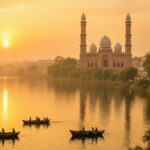
Short city breaks have become a popular travel trend in India, especially for people looking to recharge without taking an extended leave. A well-planned three-day getaway allows travellers to experience culture, food, shopping, and sightseeing within a limited schedule. Indian metro cities offer a mix of heritage, modern lifestyle, and vibrant tourism experiences. With smart planning and realistic expectations, travellers can explore major highlights while still enjoying a relaxed and memorable trip.
Start with a Clear Travel Plan
Before booking tickets, decide the purpose of the trip. Some travellers prefer historical sightseeing, while others focus on food exploration, nightlife, or shopping. Metro cities such as Mumbai, Bengaluru, Delhi, Chennai, Kolkata, Hyderabad, and Jaipur each offer unique travel experiences.
Research weather conditions, travel distance between attractions, and peak tourist hours. Planning activities based on location helps reduce travel time and prevents exhaustion during a short trip.
Choose the Right Area to Stay
Accommodation location plays a crucial role in short getaways. Staying near central attractions or well-connected public transport routes helps save time. In cities like Mumbai or Delhi, traffic can be unpredictable, so choosing hotels close to major sightseeing areas improves convenience.
For example, staying near South Mumbai allows easy access to iconic landmarks, while Bengaluru visitors often prefer Indiranagar or MG Road for accessibility. Jaipur travellers benefit from accommodations near the old city or heritage zones for quick access to forts and markets.
Day One – Explore Iconic Attractions
The first day should focus on famous landmarks that define the city’s identity.
In Mumbai, travellers often visit the Gateway of India, Marine Drive, and Colaba markets to experience coastal views and colonial architecture. The city’s lively streets provide an energetic introduction to urban tourism.
Jaipur offers royal heritage through Amer Fort, Hawa Mahal, and City Palace. These locations showcase Rajasthan’s architecture and cultural richness.
Bengaluru provides a greener city experience with Lalbagh Botanical Garden, Cubbon Park, and historic buildings around MG Road.
In Delhi, visitors may explore India Gate, Humayun’s Tomb, and Qutub Minar, while Kolkata offers attractions such as Victoria Memorial and Howrah Bridge. Beginning with well-known landmarks creates a strong connection with the destination.
Day Two – Experience Local Culture and Food
The second day is ideal for immersing yourself in local culture through food, markets, and neighborhoods.
Mumbai’s street food culture includes vada pav, pav bhaji, and coastal cuisine. Bengaluru is known for filter coffee, South Indian breakfasts, and modern cafes. Jaipur offers traditional Rajasthani dishes along with colorful bazaars such as Johari Bazaar and Bapu Bazaar.
Hyderabad travellers can explore the Charminar surroundings and enjoy the famous biryani experiences. Chennai offers temple visits alongside authentic Tamil cuisine and beachside walks at Marina Beach.
Local markets are excellent places to understand the city’s character. Shopping for handicrafts, textiles, or local snacks also adds a memorable element to the journey.
Day Three – Relax and Discover Hidden Spots
The final day should be slower and more flexible. Instead of rushing between attractions, focus on experiences that allow relaxation.
Mumbai visitors may enjoy a morning seaside walk or explore Bandra’s cafes and art streets. Bengaluru travellers can visit art galleries or take short nature drives nearby. Jaipur offers heritage cafes and cultural performances that provide a calm conclusion to the trip.
In cities like Delhi or Kolkata, museums, riverfront walks, or heritage neighborhoods provide quieter exploration before departure.
Use Technology for Efficient Travel
Travel apps help organize short trips effectively. Navigation apps reduce time lost in traffic, while booking platforms help secure restaurant reservations and attraction tickets in advance. Digital payments also simplify transactions across Indian metro cities.
Checking travel time between locations before leaving the hotel helps maintain a realistic schedule. Keeping buffer time allows flexibility if unexpected delays occur.
Pack Smart for Urban Exploration
Three-day trips work best with light packing. Comfortable walking shoes, weather-appropriate clothing, and portable chargers are essential. Metro city travel often involves walking through markets, museums, and tourist districts, so convenience should be prioritized.
Carrying reusable water bottles and small backpacks also improves mobility during sightseeing.
Balance Activity with Rest
A common mistake during short trips is overscheduling. Limiting plans to two or three major activities per day allows travellers to enjoy experiences without fatigue. Leaving room for spontaneous discoveries often leads to the most memorable moments.
Indian metro cities offer endless attractions, but the goal of a short getaway is enjoyment rather than completion of a checklist.
Planning a three-day getaway in Indian metro cities allows travellers to experience diverse tourism offerings within a compact timeframe. With thoughtful planning, strategic accommodation choices, and balanced itineraries, even a brief urban escape can feel refreshing, immersive, and deeply rewarding.