Whether it is safe to use a debit card while visiting other countries for travel, work, or study is a common concern many have before departure. With the right preparation, using your debit card overseas can be convenient, but there are important safety and cost considerations to understand before you start swiping. This article explores how international debit card usage works, what charges you may face, and key tips to keep your money secure while you are overseas.
How International Debit Card Usage Works
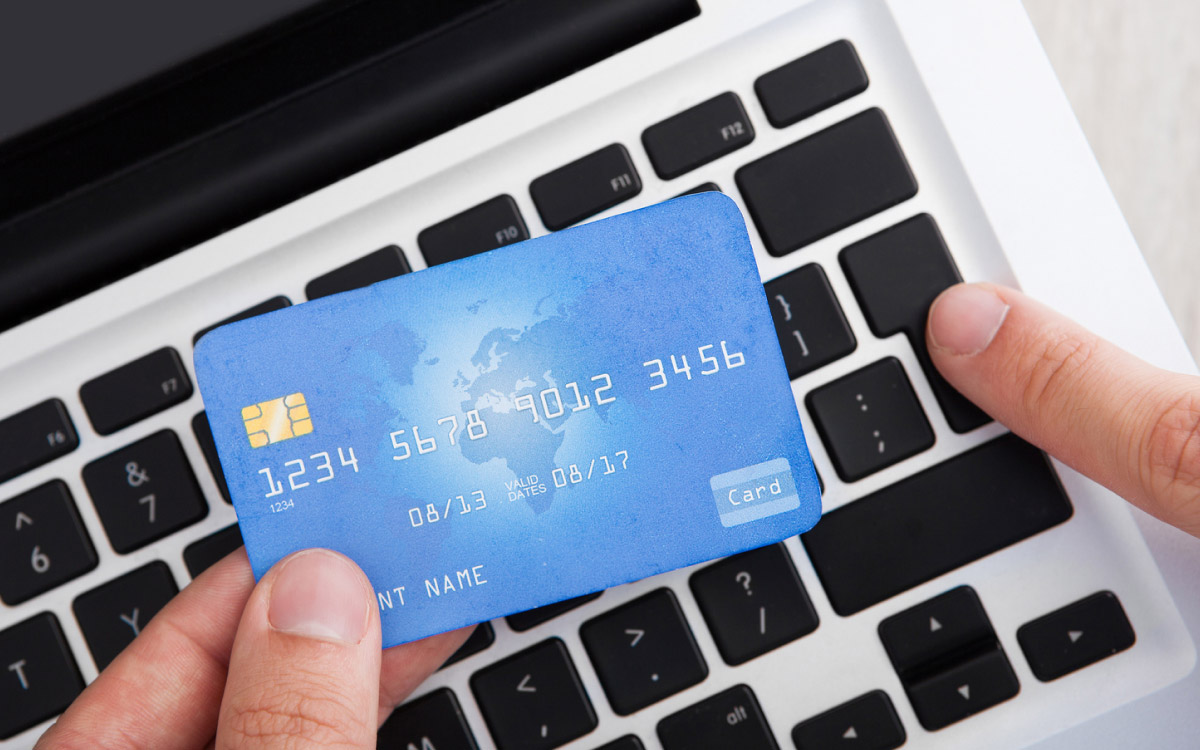
Most banks issue debit cards on global payment networks like Visa or Mastercard, meaning that if your card is activated for international transactions, it should work at ATMs, shops, hotels, and online merchants that accept these brands abroad. However, international transactions are usually disabled by default, so you often need to enable overseas usage through your bank’s mobile app or internet banking before travelling.
Once enabled, your card will work internationally and the charges will be debited from your bank account in your home currency after conversion at the prevailing exchange rate. The exchange rate is typically determined by the card network (Visa/Mastercard) and your bank’s foreign transaction fees.
Security Features and Fraud Protection
Modern debit cards come with security features designed to protect you abroad. Most are enabled with an EMV chip, which encrypts your card data and makes it harder for fraudsters to clone or skim your card at terminals.
When possible, set up transaction alerts and use any secure authentication features, such as OTP (one time password), your bank offers. These features can help you quickly spot and respond to unauthorized transactions. If your card is lost or stolen abroad, contact your bank immediately to block the card and prevent misuse. It is usually possible to do this through your bank’s app, online portal, or global customer service lines.
Fees and Charges to Expect
Although using your debit card abroad is generally safe, you should be aware of the costs involved as these can add up quickly.
Foreign Transaction or Markup Fees
Banks typically charge a fee on point of sale purchases and ATM withdrawals made in foreign currency. This may range from approximately 2.5 percent to 3.5 percent of the transaction value plus applicable taxes.
ATM Withdrawal Charges
Your bank may charge a fixed fee per overseas ATM withdrawal plus a currency conversion fee, and the ATM operator abroad might also levy a separate fee.
Dynamic Currency Conversion (DCC)
Some merchants offer to charge your purchase in your home currency instead of the local currency. While it may seem easier, the exchange rate used is often unfavourable and can increase your overall cost. Choose to pay in the local currency when possible. This is widely advised by financial experts.
Because these fees vary by bank and card type, it’s wise to check your card’s specific international charges with your bank before you travel.
Limits and Regulatory Considerations
International usage of debit cards is subject to regulatory guidelines. There may be yearly limits on how much foreign exchange you can use via international transactions under the current remittance rules. Exceeding these limits can result in blocked transactions or other consequences.
Additionally, certain transactions are not permitted with international debit cards, such as payments for prohibited items under foreign exchange regulations or sending remittances that fall outside permissible categories. Always review your bank’s terms and the relevant rules to avoid unintended violations.
Practical Tips for Safe Usage Abroad
Enable International Usage Ahead of Time
Activate overseas transactions through your bank’s app or online portal to avoid declines abroad.
Set Spending and Withdrawal Limits
Adjust card limits before you go so you stay within budget and reduce risk in case of loss.
Carry a Backup Card
Having an additional card from a different bank or a travel-friendly card gives you options if one card is lost, blocked, or declined.
Monitor Your Account Frequently
Check transactions regularly through mobile banking for any suspicious activity.
Using your debit card abroad can be safe and convenient with the right preparation, understanding of fees, and security awareness. Most cards under major networks work internationally once activated. However, international fees, currency conversion costs, and regulatory limits are important to consider. Preparing ahead, enabling necessary settings, and practicing good security habits can help ensure smooth financial transactions while you are overseas.